

Table of Contents
- Arriving Without a Clear First Impression
- The History of Safdarjun Tomb
- Mughal Architecture
- Safdarjung Tomb Ticket
- Safdarjung Tomb Timing
- Why Does the Tomb Feel Understated?
- The Area Around the Tomb
- How to Combine the Visit With Nearby Stops Without Fatigue
- Planning the Visit Around Weather, Not Just Time
- Final Thought
- FAQs
Some monuments in Delhi announce themselves from far away. You see them before you enter. Safdarjung Tomb doesn’t work like that. It stays quiet until you’re already inside. The city noise fades slowly. It becomes noticeable only after a few steps.
Most people reach Safdarjung Tomb Delhi without much expectation. It’s usually listed somewhere after Humayun’s Tomb. The order makes sense. This place belongs to the end of something, not the beginning.
Arriving Without a Clear First Impression
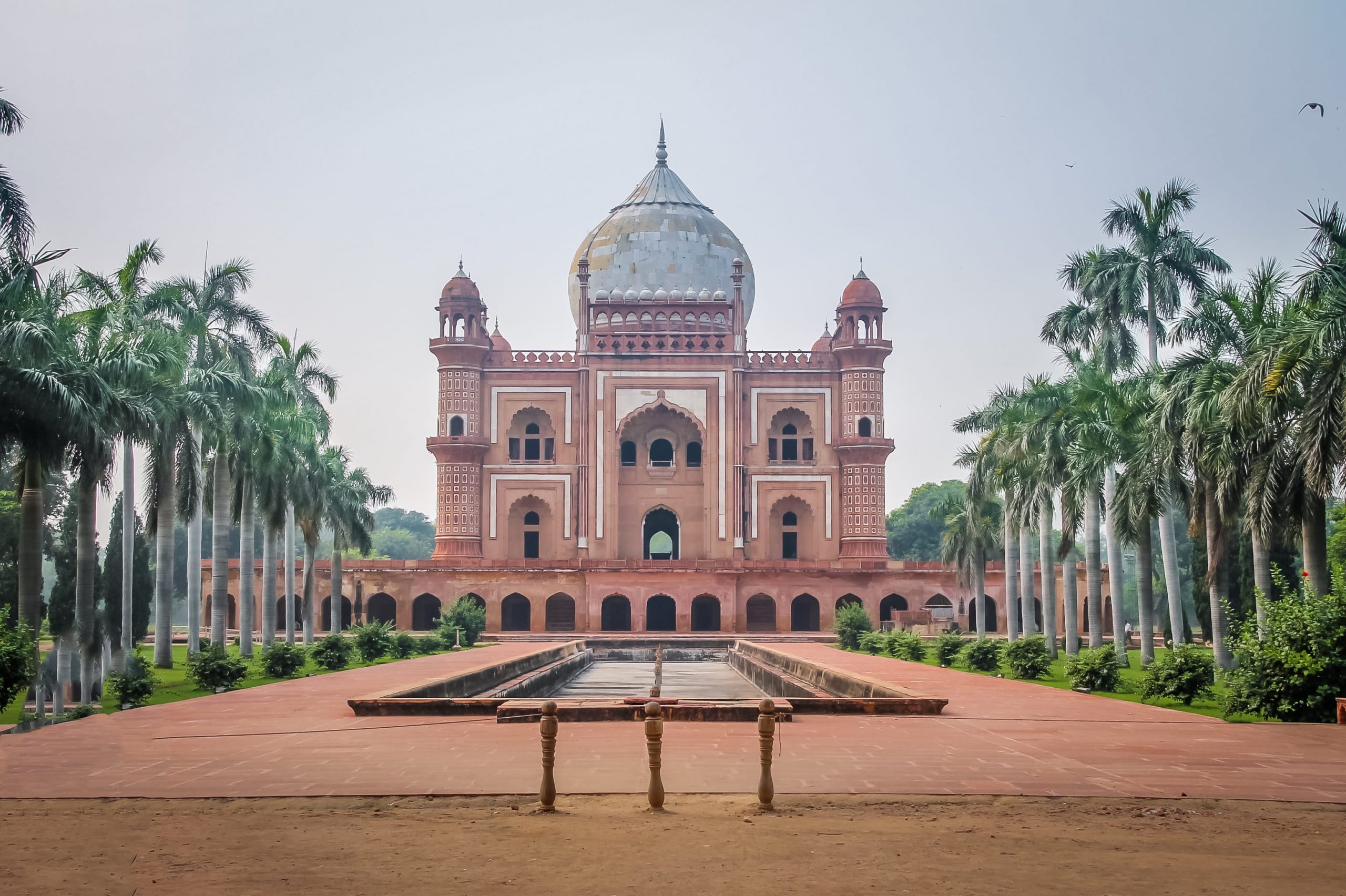
The first thing people notice about Safdarjung Tomb Delhi is space- not decoration and certainly not crowds.
Paths are wide. The garden stretches evenly. Nothing pulls attention immediately. This is unusual in Delhi. Inside Safdarjung Tomb, movement slows without instruction. People don’t rush because there’s nothing pushing them to. The monument doesn’t try to impress. It waits.
The History of Safdarjun Tomb
The history of Safdarjung Tomb doesn’t arrive as a dramatic story. It feels fragmented and incomplete. It is like something remembered rather than recorded.
Safdarjung held power when Mughal authority was already thinning. The tomb was built after his death, when influence remained but certainty didn’t. The tension sits quietly in the structure. The Safdarjung Tomb history feels heavy, not glorious.
This is why the history of Safdarjung Tomb feels different from earlier Mughal monuments. It carries effort instead of confidence.
Mughal Architecture
Walking closer, the structure begins to show intention. The layout follows older Mughal patterns, garden, central tomb and symmetry. But symmetry isn’t perfect here.
Some proportions feel stretched. Some details feel restrained. The materials don’t shine the way earlier monuments do. This doesn’t weaken Safdarjung Tomb. It explains it.
The architecture was created while looking backward. This is exactly why Safdarjung Tomb Delhi feels like a closing chapter.
Inside, corridors feel longer than expected. The sound echoes oddly. Light enters but doesn’t settle evenly. The cenotaph sits quietly. People stop talking without noticing. The silence isn’t planned. It happens naturally. This is where Safdarjung Tomb history becomes less about names and more about atmosphere. Space doesn’t explain decline. It lets you feel it.
Safdarjung Tomb Ticket
Buying a Safdarjung Tomb ticket is straightforward. No waiting if you come early. The Safdarjung Tomb entry fee is low for Indian visitors and higher for international ones, following standard ASI rules.
Most people don’t think about the Safdarjung Tomb ticket once they’re inside. The Safdarjung Tomb entry fee doesn’t feel like an exchange. It feels incidental. This simplicity suits the place.
Safdarjung Tomb Ticket Prices
- Indian Visitors– INR 20
- Foreign Visitors– INR 250
- SAARC Visitors– INR 20
- BIMSTEC Visitors– INR 20
Safdarjung Tomb Timing
The Safdarjung Tomb timing runs through the day, opening in the morning and closing by evening. People usually come mid-morning or late afternoon.
Understanding Safdarjung Tomb timing matters mostly for weather. Summer afternoons drain energy quickly. Winter light changes everything. Beyond that, the monument doesn’t demand a schedule.
Safdarjung Tomb Timing
- Opening Time: 6 AM
- Closing Time: 9 PM
Why Does the Tomb Feel Understated?
Many visitors don’t photograph everything here. Some sit instead. Others walk the perimeter more than once.
Safdarjung Tomb doesn’t create urgency. It allows repetition. Walking back toward the gate feels different than walking in. The change is subtle, but noticeable.
The Area Around the Tomb
Safdarjung Tomb Delhi pairs naturally with green spaces nearby. People often wander before or after without planning it.
Visitors staying longer in the city sometimes choose nearby accommodations. Several resorts in Delhi and quieter stays around central zones make slow exploration easier. Using resorts in Delhi as a base helps keep visits like this unhurried. You must visit the surrounding places like:
- Delhi Haat
- India Gate
- Lodi Garden
- National Rail Museum
- Qutub Minar
How to Combine the Visit With Nearby Stops Without Fatigue
One common mistake is overloading the day. Safdarjung Tomb Delhi works best as part of a light plan, not a packed itinerary. The monument itself encourages slow movement. Pairing it with something equally unhurried, like a garden walk or a relaxed cafe stop, keeps the day balanced.
Many visitors walk toward nearby green spaces afterward without planning it. That transition feels natural. Trying to squeeze in multiple monuments back-to-back often dulls the experience.
If staying overnight, choosing nearby accommodations helps. Several resorts in Delhi and quiet hotels around central areas like Jaypee Siddharth and Jaypee Vasant Continental Hotel in New Delhi allow visitors to return, rest, and revisit places mentally rather than physically. Using resorts in Delhi as a base helps keep heritage exploration spacious, not hurried.
Planning the Visit Around Weather, Not Just Time
Most people check the clock before visiting. Fewer check the weather properly. At Safdarjung Tomb Delhi, weather affects the experience more than timing does. The pathways are open, exposed, and long. Shade exists, but not continuously. On hot days, walking feels heavier than expected.
Early mornings in winter feel calm and balanced. Light spreads evenly across the garden, and movement feels easier. Summer afternoons, on the other hand, drain energy quickly. Even short walks feel longer. Planning the visit around cooler hours changes how much attention the space receives.
This isn’t a monument that rewards rushing. Choosing the right part of the day allows Safdarjung Tomb to feel reflective rather than exhausting.
Also Read : 10 Historical Monuments in Delhi You Just Cannot Miss
Final Thought
Safdarjung Tomb doesn’t try to represent Mughal greatness. It represents what came after. The honesty is what makes Safdarjung Tomb Delhi worth visiting. As the visit comes to an end, Safdarjung’s Tomb leaves behind more than visuals. It leaves a slowed pace, a sense of pause, and a quieter understanding of Delhi’s layered past. The monument does not overwhelm with facts or spectacle. Instead, it allows space for reflection, walking, and unhurried observation. Planning the visit thoughtfully, considering weather, energy, and nearby stops, makes the experience far more rewarding. For travellers spending more time in the city, choosing the right stay matters too. Jaypee Vasant Continental Hotel and Jaypee Siddharth in New Delhi provide well-located, comfortable options that help balance heritage exploration with rest, making Delhi travel smoother, calmer, and more enjoyable overall.
