

Summary
In this article, we explore everything you need to know about planning a trip to Rishikesh, one of India’s most spiritually rich and adventure-packed destinations. From understanding seasonal weather patterns to knowing which months are ideal for river rafting, yoga retreats, or peaceful temple walks, this guide covers it all. Whether you’re a first-time traveller or returning pilgrim, this detailed breakdown of seasons, temperatures, and practical travel tips will help you make the most of your Rishikesh journey.
Introduction
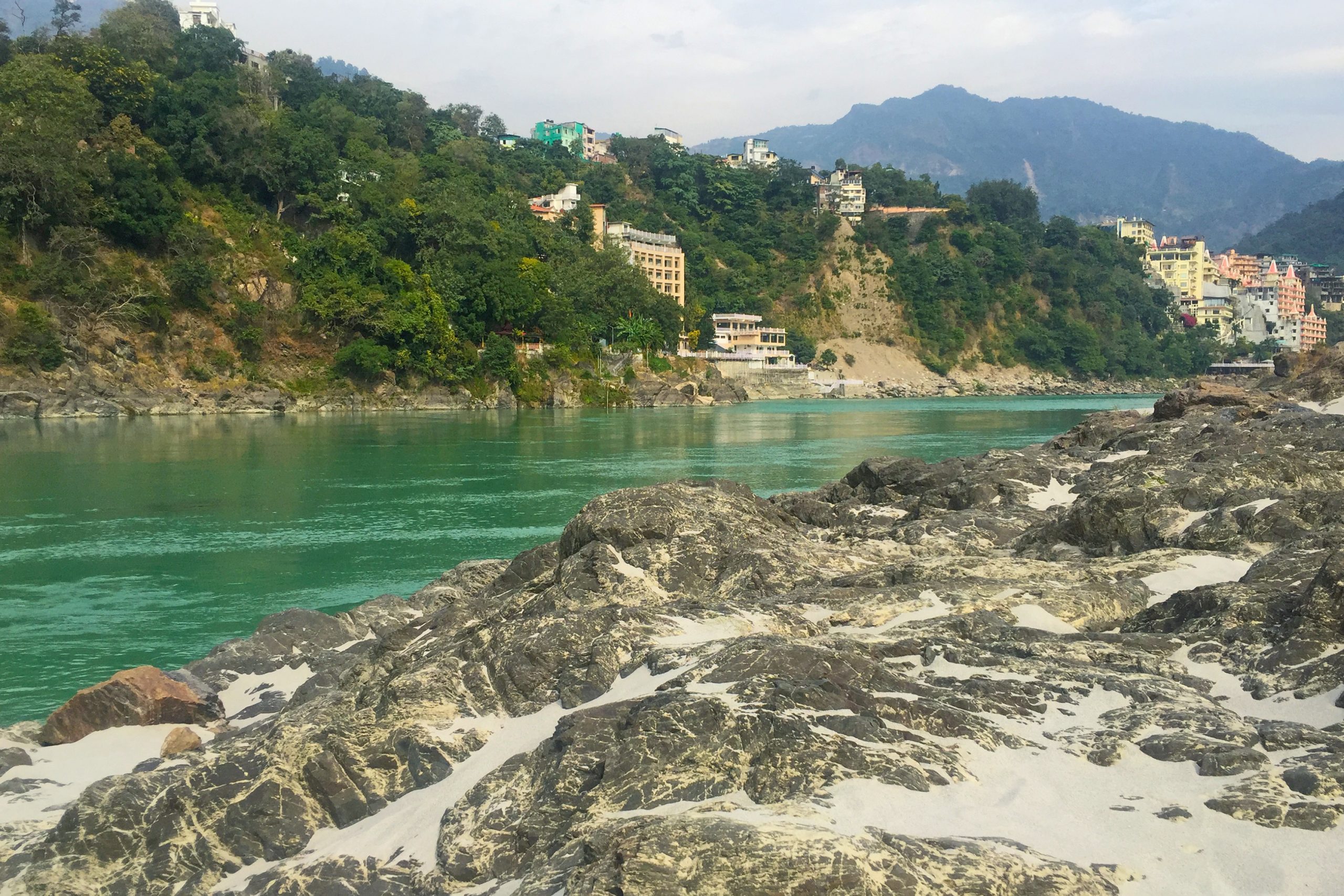
Nestled in the foothills of the Himalayas along the banks of the holy Ganga, Rishikesh is a destination that speaks to both the soul and the adventurer. Known as the “Yoga Capital of the World,” this sacred town in Uttarakhand attracts millions of visitors every year, from spiritual seekers and backpackers to thrill enthusiasts and honeymooners.
But here’s the thing: when you visit, matters just as much as why you visit. The best time to visit Rishikesh can shape your entire experience, what you see, what you can do, and how comfortable your stay will be. This guide breaks it all down simply and clearly.
Why Rishikesh Is Worth Visiting in Every Season
Rishikesh is one of those rare destinations that offers something meaningful no matter the time of year. Each season unlocks a different version of the town: vibrant, serene, mystical, or adrenaline-charged.
A Town That Transforms With the Calendar
In winter, the ghats are quiet and meditative. In spring, the town buzzes with international yoga festivals. Monsoon paints the hills an electric green. This seasonal variety makes Rishikesh endlessly compelling.
Adventure, Spirituality, and Nature Together
Few destinations blend river adventure, mountain air, and ancient temples so seamlessly. Whether you’re rafting the Ganges or sitting at a sunset aarti, each experience is deeply tied to the season you’re in.
The Himalayan Backdrop Changes Everything
The surrounding Shivalik ranges and Himalayan foothills create a microclimate that makes Rishikesh temperature pleasant for most of the year, with dramatic seasonal shifts that completely alter the landscape.
Month-by-Month Breakdown: When to Plan Your Trip
Understanding what each month offers is the most reliable way to match your travel style with the right time of year.
October to February: The Peak Season for Most Travellers
October through February is widely considered the best season to visit Rishikesh for sightseeing, spiritual experiences, and comfortable outdoor activities. Days are bright and cool, and the Ganga flows calmly and clearly. The best month to visit Rishikesh for weather balance is October or November, post-monsoon greenery still lingers while temperatures remain pleasant between 15°C and 25°C.
December and January bring cooler nights, often dipping to 5°C or below in the early hours, so carry warm layers. But the days remain sunny and ideal for exploring the ghats, attending yoga sessions, or trekking to nearby viewpoints. This is also the period when international travellers arrive in large numbers, so booking in advance is advisable.
March to June: Ideal for Adventure and Wellness
Spring and early summer mark the best time to go to Rishikesh for those seeking a mix of adventure sports and yoga retreats. March through May sees Rishikesh temperature climb gradually from 20°C to around 38°C, making mornings and evenings particularly pleasant for outdoor pursuits. April hosts the internationally renowned International Yoga Festival, drawing practitioners from across the globe.
This is also one of the strongest windows for white-water rafting before the pre-monsoon heat peaks in May and June.
July to September: The Monsoon Window
Monsoon arrives with lush, mist-covered mountains and a completely different kind of beauty. However, the Ganga swells significantly during these months, making river activities like rafting temporarily unsafe. Most rafting operators suspend operations between July and mid-September due to high water levels. Trekking trails can also become slippery and potentially risky during heavy rainfall. That said, the landscape during the monsoon is extraordinarily beautiful, and the town is far less crowded, ideal for solitude seekers and budget travellers.
The Best Time to Visit Rishikesh for River Rafting
River rafting is arguably the single biggest draw for adventure travellers visiting Rishikesh. The Ganges offers stretches across multiple grades of difficulty, from calm beginner routes near Marine Drive to the challenging rapids of Shivpuri and Brahmpuri.
Why Timing Is Critical for Rafting
The best time to visit Rishikesh for rafting is between September (late) and June. Water levels, flow speed, and safety conditions are at their best during this window, giving rafters the most reliable and thrilling experience.
October to November: The Sweet Spot
Post-monsoon flows make October and November particularly exciting for rafting, as water levels are high enough for strong rapids but safe enough for all experience levels. This is arguably the most exhilarating period for the sport.
February to May: The Steady Season
From late winter through spring, the river maintains consistent, manageable levels. Beginners and families will find this period most comfortable. Rafting operators are fully functional and offer a wide range of stretch options.
A Seasonal Snapshot of Rishikesh Weather
Understanding the climate in detail helps you pack right and plan activities wisely.
Winter (October–February): Cool, Crisp, and Clear
Temperature range: 5°C to 25°C. Ideal for sightseeing, meditation, yoga, and gentle hikes. Early mornings near the Ganga can be cold but deeply atmospheric, especially during sunrise aarti.
Summer (March–June): Warm Days, Active Evenings
Temperature range: 20°C to 40°C. Mornings and evenings are comfortable; afternoon heat is manageable if you’re near the river. Ideal for adventure sports and wellness retreats.
Monsoon (July–September): Green and Mystical
Temperature range: 20°C to 30°C. Heavy rainfall refreshes the landscape but limits certain activities. A quieter, introspective time to experience Rishikesh at its most raw and natural.
Also Read – Cloud’s End, Mussoorie- Timings, Location & Best Time to Visit
Practical Travel Tips for Every Season
A few smart choices can dramatically improve your Rishikesh experience regardless of when you travel.
Pack According to the Season
Winters demand warm layers, especially for early morning aarti visits. Summers call for light cotton clothing and sun protection. Monsoon travellers should carry waterproof gear and non-slip footwear.
Book Accommodation Early in Peak Season
October to February sees the highest tourist inflow. Securing your stay and activity bookings at least two to three weeks in advance is strongly recommended, especially around festival periods.
Respect Local Customs
Rishikesh is a sacred town. Alcohol is prohibited in many areas, and modest clothing is expected near temples and the ghats. Being culturally aware enhances both your experience and your reception.
Local Transport Within the Town
Auto-rickshaws, shared taxis, and walking are the primary ways to navigate Rishikesh. The town is relatively compact, and many of its key attractions are within walking distance of each other.
Plan Your Mountain Escape With Jaypee Hotels & Resorts
When planning a getaway to the mountains or to any culturally rich destination in North India, the quality of your accommodation can transform a good trip into a truly memorable one. Jaypee Hotels & Resorts is a premier chain of five-star properties strategically located across key destinations in North India, including Delhi, Greater Noida, Agra, and Mussoorie. Each property is designed to offer a seamless blend of luxury, comfort, and world-class hospitality, whether you’re travelling for business, leisure, a spiritual journey, or a family holiday.
If Rishikesh is part of a broader North India itinerary, consider extending your trip to include the beautiful hill station of Mussoorie, just a few hours away. For those seeking the best place to stay in Mussoorie, Jaypee’s Mussoorie property offers sweeping Himalayan views, elegant rooms, and curated experiences that complement the spirit of mountain travel perfectly. Each Jaypee property reflects a commitment to grandeur that makes every stay worth the journey.
Also Read – Laxman Jhula, Rishikesh: Things to Do, Nearby Attractions & Travel Guide
Conclusion
Rishikesh is a destination that rewards visitors in every season, but choosing the right time ensures you get the most out of your trip. The best time to visit Rishikesh for most travellers is between October and June, when the weather is kind, the river is active, and the town pulses with cultural and spiritual energy. If rafting is your priority, target late September to May.
If inner peace and solitude call to you, the quieter monsoon season has a magic of its own. Whatever draws you to Rishikesh, adventure, spirituality, or simply a break from the ordinary, plan thoughtfully, travel respectfully, and let this timeless town leave its mark on you.
Sources & References:
India Meteorological Department (IMD): uttarakhand.gov.in
Uttarakhand Tourism Official Website: uttarakhandtourism.gov.in
Ministry of Tourism, Government of India: tourism.gov.in
