

Table of Contents
- What Makes Indian Beaches Feel So Different?
- Goa: A Shoreline That Changes by the Hour
- The Andaman Islands: Where Space Becomes the Experience
- Kerala: Where the Coast Slows the Body
- Tamil Nadu: Where the Beach Belongs to the City
- Odisha: Where Nature and Belief Share Space
- Gujarat: Wide Horizons and Quiet Sand
- Lakshadweep: Where Time Feels Lighter
- When to Visit India’s Beaches?
- Staying Near the Coast
- Why Do Indian Beaches Stay With People?
- Final Thoughts
- FAQs
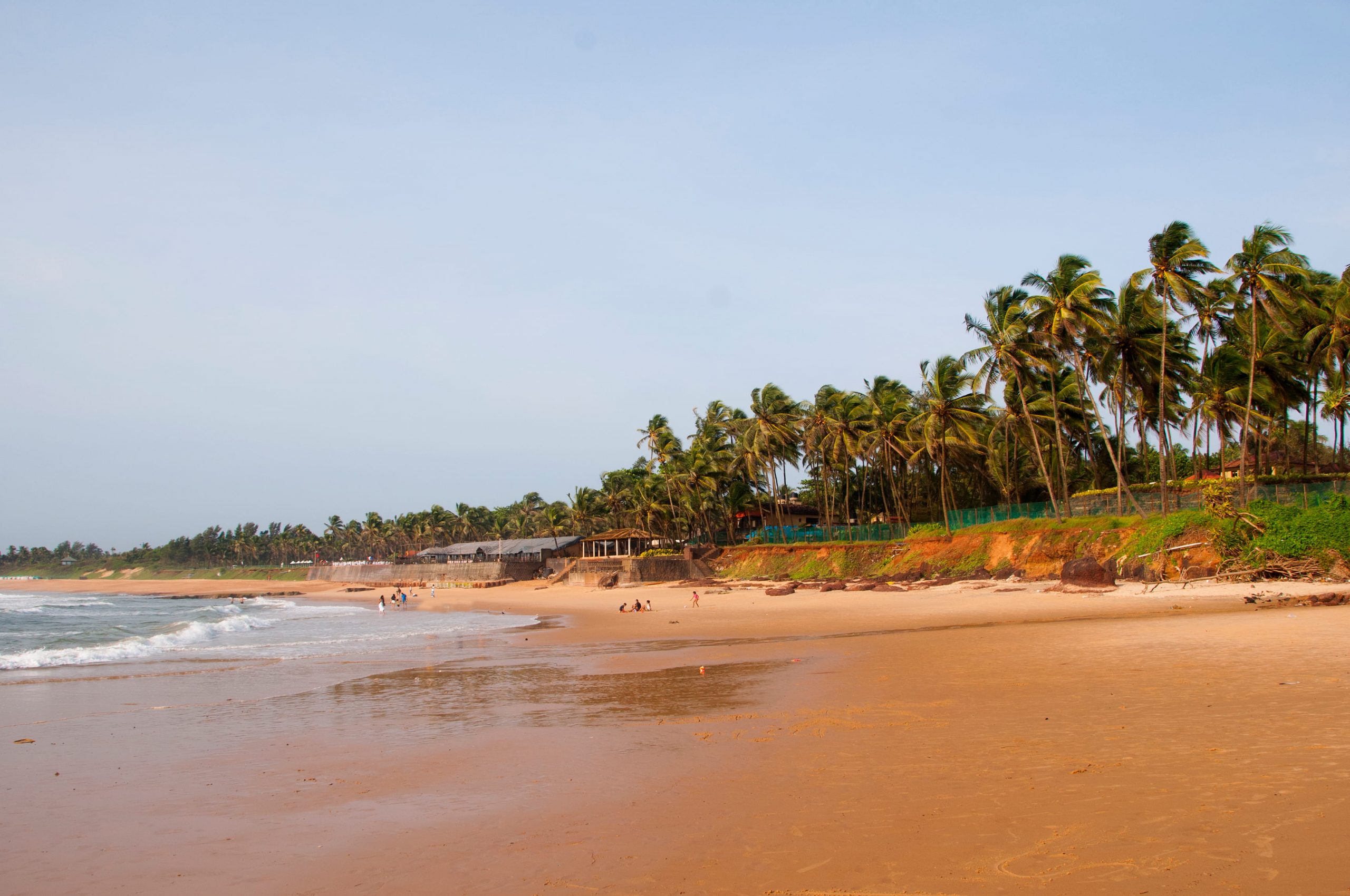
India’s coastline does not announce itself loudly. It reveals itself slowly. In some places, the sea arrives gently, brushing the sand as if unsure. In others, it crashes with force, shaping both land and habit. Along this edge of the country, beaches are not simply places to visit. They are places where life happens.
For generations, these shores were not escapes. They were workplaces, meeting points, and spiritual spaces. Even today, this history remains visible. Nets lie drying beside tourists’ towels. Children chase waves while elders sit quietly, watching the horizon. This mixture of movement and stillness defines the beaches in India more than any brochure ever could.
What Makes Indian Beaches Feel So Different?
India touches three major bodies of water. The Arabian Sea shapes the west, calmer and warmer. The Bay of Bengal dominates the east, wider and often unpredictable. The Indian Ocean surrounds the southern edge, carrying a sense of distance and depth.
Geography is only part of the story. Culture shapes the coastline just as strongly. A beach in Goa feels expressive and social. A beach in Kerala slows the body without instruction. A beach in Tamil Nadu reflects the city beside it, busy and grounded. This is why travellers looking for the best beaches in India rarely stop after one visit.
Goa: A Shoreline That Changes by the Hour
Baga Beach is widely recognised as one of the most famous beaches in India, yet its personality shifts constantly. At sunrise, it feels almost empty. Fishermen work quietly near the water. Walkers move without urgency. As the day grows warmer, activity increases. By evening, the beach becomes something else entirely, shaped by music, conversation, and light. This constant transformation places Baga among the top beaches in India for travellers who enjoy contrast rather than calm alone.
Calangute Beach feels steadier. It carries people throughout the day without exhausting them. Families arrive early. Vendors set up slowly. Water activities happen without rush. Despite its popularity, there is space to breathe. That balance keeps Calangute among the best beaches to visit in India for travellers who prefer ease.
Palolem Beach behaves differently. Its curved shoreline seems to soften the sound. The water remains gentle, and evenings arrive quietly. People speak more softly here, often without noticing. Among the beautiful beaches of India, Palolem offers peace without isolation.
Anjuna Beach does not rush anyone. Markets open and close without urgency. Cafes invite long stays rather than quick meals. Many visitors come for a few days and remain far longer than planned. This quality keeps Anjuna firmly among the beaches in India to visit for slow travel.
The Andaman Islands: Where Space Becomes the Experience
Radhanagar Beach does not impress through activity. It impresses through space. The sand stretches wide, framed by trees instead of buildings. Sound behaves differently here. Conversations fade quickly. People instinctively slow down. Often listed among the best beaches in India, Radhanagar suits those who value quiet over entertainment.
Elephant Beach offers contrast. Boats arrive throughout the day, carrying visitors eager to enter the water. Coral reefs sit close to shore, bringing colour beneath the surface. The energy here feels focused rather than loud. It is one of the more engaging beaches to visit in India for those drawn to marine life.
Kala Pathar Beach remains understated. Dark stones lie scattered across pale sand. Facilities are few, distractions fewer. It rewards patience rather than movement, making it ideal for travellers who prefer observation.
Kerala: Where the Coast Slows the Body
Kovalam Beach reflects Kerala’s natural pace. Lighthouse views frame the shoreline. The sea remains shallow and steady. People walk slowly, not because they must, but because the setting encourages it. Among the top beaches in India, Kovalam suits those seeking rest rather than stimulation.
Varkala Beach stands apart. Cliffs rise behind the shore, creating natural viewing points. Cafes face the sea instead of traffic. Evenings feel reflective. Conversations lengthen. Time stretches slightly, without effort.
Marari Beach barely announces itself. Fishing villages nearby continue daily routines without interruption. The beach remains quiet, unpolished, and deeply human. This honesty places Marari among the most rewarding beaches in India to visit.
Tamil Nadu: Where the Beach Belongs to the City
Marina Beach is vast and constantly alive. Morning walkers, food stalls, families, and performers share the shoreline from dawn until late evening. The sea becomes part of the background rather than the focus. As one of the most famous beaches in India, Marina is about watching life unfold.
Elliot’s Beach offers a gentler alternative. Smaller and calmer, it attracts locals seeking space after long days. The light softens in the evening, making it suitable for short walks and quiet pauses.
Kanyakumari Beach feels symbolic rather than recreational. Sunrises draw silent crowds. The meeting of seas creates a sense of closure and beginning at once. It is a place for reflection more than relaxation.
Odisha: Where Nature and Belief Share Space
Puri Beach blends ritual with routine. Ceremonies take place beside the water. Pilgrims and travellers move together without friction. The beach does not separate faith from daily life. This balance makes Puri one of the most culturally meaningful beaches to visit in India.
Chandipur Beach behaves differently from most coastlines. During low tide, the sea retreats far from shore, revealing wide stretches of ocean floor. Walking where water stood hours earlier feels unsettling and memorable. This rhythm places Chandipur among the most unusual beaches in India.
Gujarat: Wide Horizons and Quiet Sand
Mandvi Beach offers openness rather than spectacle. Long stretches of sand, steady breezes, and distant horizons shape the experience. Camel rides and quiet walks replace organised activity. It suits travellers who value space.
Dwarka Beach carries spiritual weight. The atmosphere remains calm, shaped more by pilgrimage than tourism. The sea feels like part of a larger story rather than a destination.
Lakshadweep: Where Time Feels Lighter
Agatti Beach feels removed from urgency. Clear water, coral reefs, and slow mornings define daily rhythm. Among the best beaches in India, Agatti attracts travellers seeking simplicity.
Kavaratti Beach offers calm lagoon waters and limited development. Swimming feels safe and unhurried. Days pass quietly, guided by tide and light rather than schedules.
When to Visit India’s Beaches?
October to March remains the most comfortable period for most regions. Summers bring intense heat, while monsoons reshape coastlines and limit access. Visiting outside peak season often reveals a quieter, more personal side of the shore.
Staying Near the Coast
Accommodation varies widely. Goa and Kerala offer everything from simple huts to luxury resorts. Island stays require advance planning. Many travellers balance beach trips with inland destinations or short getaways near Delhi to create contrast. If you are visiting places near Delhi, do check out Jaypee Vasant Continental and Jaypee Siddharth Hotel in New Delhi.
Why Do Indian Beaches Stay With People?
Indian beaches rarely feel staged. Life continues alongside visitors. Fishing, prayer, conversation, and rest unfold naturally. This authenticity defines the beautiful beaches of India more than scenery alone.
Also read: 5 Beautiful Honeymoon Destinations in India To Consider
Final Thoughts
The beaches in India are not repetitions of one idea. There are many expressions of land meeting water. Some invite celebration. Others encourage silence. Together, they create journeys that feel personal, grounded, and quietly memorable.
So plan your next beach trip today and prepare for some adventure and relaxation, away from the everyday hustle and bustle.
