

Key Takeaways
- The Brahmatal trek covers approximately 22-24 km round trip, completed over 5-6 days
- The highest point of the trek, Brahmatal Top, sits at 12,250 ft (3,734 m)
- Winter (December to March) is widely considered the best time to visit for snow-covered trails
- The trek starts from Lohajung village in Chamoli district and is rated easy to moderate
- Key highlights include Brahmatal Lake, Jhandi Top, and panoramic views of the Trishul and Nanda Ghunti peaks
Introduction
For trekkers seeking a Himalayan adventure without an extreme difficulty level, the Brahmatal trek offers an ideal introduction to high-altitude trekking in Uttarakhand. Located in the Chamoli district within the Garhwal Himalayas, this trail has gained massive popularity in recent years, particularly during winter months when the entire route transforms into a snow-covered wonderland.
What makes this trek particularly appealing is its accessibility, offering summit-level views and stunning alpine lake scenery without requiring the technical expertise or physical endurance demanded by more challenging Himalayan routes. In this guide, we’ll walk through everything you need to know before attempting the Brahmatal trek, from distance and altitude details to seasonal planning and practical tips.
About the Brahmatal Trek
Brahmatal is a high-altitude alpine lake situated near Lohajung village, serving as both a scenic destination and the gateway to Brahmatal Top, the trek’s summit point. The trail winds through dense oak and rhododendron forests before opening up into wide, snow-carpeted meadows that have earned comparisons to scenes from winter fairy tales.
Beyond its natural beauty, the trek also offers cultural significance, passing through small Himalayan villages where trekkers can experience the simple, rustic lifestyle of Uttarakhand’s mountain communities. The combination of forest trails, alpine meadows, and summit views makes this trek a well-rounded experience for those new to Himalayan trekking.
Brahmatal Trek Distance
Understanding the Brahmatal trek distance helps in planning your physical preparation and daily trekking pace. The total trekking distance typically ranges between 22 and 24 kilometres, covered over 4 to 5 days of actual trekking, excluding the drive to and from the base camp.
The trek breaks down roughly as follows across the trail:
- Lohajung to Bekaltal: Approximately 6 km
- Bekaltal to Brahmatal: Approximately 7 km
- Brahmatal to Brahmatal Top and back: Approximately 5-6 km
- Brahmatal to Lohajung (return): Approximately 8 km
This distribution allows for gradual acclimatization, with shorter trekking days near the start and end of the itinerary, and a more demanding summit day in the middle of the trek.
Brahmatal Trek Height and Altitude
The Brahmatal trek height reaches its peak at Brahmatal Top, standing at approximately 12,250 feet (3,734 metres) above sea level. This makes it a genuinely high-altitude trek, though the gradual ascent spread across multiple days helps minimise the risk of altitude sickness for most trekkers.
Key altitude markers along the Brahmatal trek altitude profile include:
- Lohajung (base camp): Approximately 7,600 ft
- Bekaltal: Approximately 9,950 ft
- Brahmatal Lake and campsite: Approximately 10,200-10,450 ft
- Brahmatal Top (summit): 12,250 ft
This steady, staged altitude gain is one of the reasons the trek is considered relatively beginner-friendly compared to other Himalayan routes that involve steeper or more rapid ascents.
Brahmatal Trek Itinerary
A typical Brahmatal trek itinerary spans 5 to 6 days, including travel time to and from Dehradun. Here’s a general breakdown of what to expect:
Day 1: Dehradun to Lohajung
Drive approximately 250-280 km, taking around 9-10 hours, reaching the base village of Lohajung for an overnight stay.
Day 2: Lohajung to Bekaltal
Trek approximately 6 km through oak and fir forests, gaining altitude gradually while passing small mountain villages and streams.
Day 3: Bekaltal to Brahmatal
A moderately steep climb of around 7 km, often passing through Jhandi Top, offering early panoramic views of snow-covered peaks before reaching the Brahmatal campsite.
Day 4: Brahmatal Summit and Descent
An early morning trek to Brahmatal Top, the trek’s highest point, followed by descent back toward lower camps or directly toward Lohajung, covering a significant distance of 12-15 km on this demanding day.
Day 5: Return to Lohajung
Complete the descent back to Lohajung village, wrapping up the core trekking portion of the journey.
Day 6: Lohajung to Dehradun
Drive back to Dehradun, concluding the trip.
This structure allows for proper acclimatisation while building toward the most physically demanding summit day, ensuring trekkers are adequately prepared for the altitude gain by the time they reach Brahmatal Top.
Best Time for Brahmatal Trek
Determining the best time for the Brahmatal trek largely depends on what kind of experience you’re hoping for: snow-covered winter landscapes or greener, milder conditions.
- December to March: Widely regarded as the best time to visit Brahmatal trek, offering heavy snowfall, frozen lake views, and classic winter trekking conditions
- September to November: A good alternative for clearer skies and comfortable temperatures, without the challenges of deep snow
- April: Marks the tail end of the favourable trekking window, as snow begins melting and temperatures rise
For trekkers specifically seeking the postcard-perfect snow scenery this trek is famous for, winter remains the most popular and recommended season by a significant margin.
Brahmatal Trek in Winter
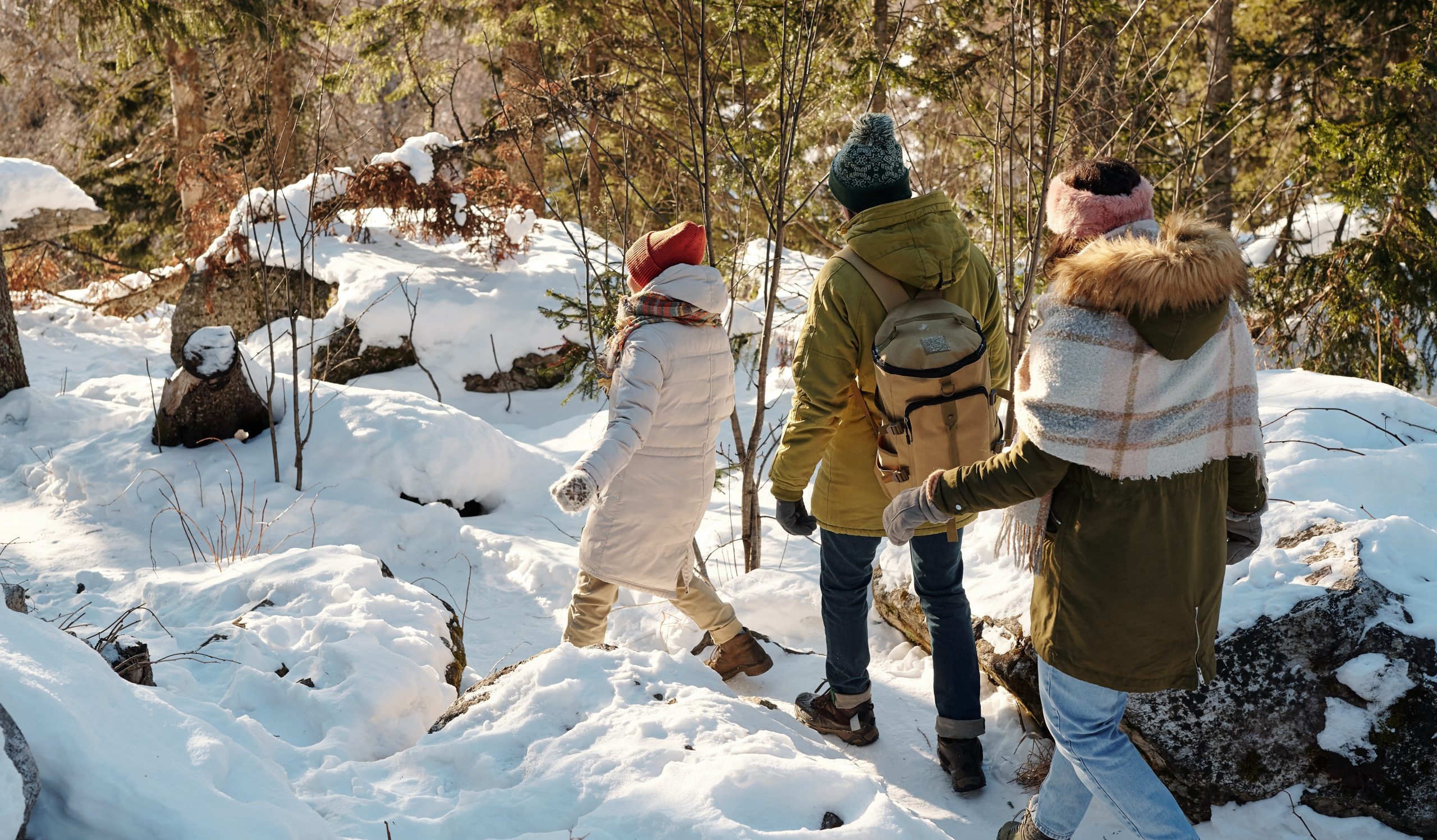
The Brahmatal trek in winter, particularly between December and February, is when this trail truly earns its reputation as one of Uttarakhand’s most scenic winter treks. Snow blankets the meadows, forests, and campsites, creating a dramatically different landscape compared to other seasons.
Key considerations for winter trekking include:
- Daytime temperatures typically range between 8°C to 15°C, while nights can drop to -7°C or lower
- Snow depth can vary significantly, sometimes requiring gaiters or specialised winter trekking gear
- Trails can become slippery, particularly on the summit day, requiring proper footwear with good grip
- Layered clothing is essential, given the significant temperature difference between day and night
Despite the colder conditions, winter remains the most sought-after season for this trek, largely due to the stunning snow-covered scenery that defines Brahmatal’s reputation among Himalayan trekking enthusiasts.
Brahmatal Trek in Summer
While less commonly discussed, the Brahmatal trek in summer (roughly April through June) offers its own distinct appeal for trekkers preferring milder conditions over deep snow.
- Temperatures are noticeably warmer, making the trek more comfortable for those less accustomed to extreme cold
- Trails are generally drier and less slippery compared to peak winter months
- Forest sections display lush, green vegetation rather than snow-covered branches
- Visibility of distant peaks can sometimes be affected by seasonal haze, unlike the crisp clarity often seen in winter
While summer doesn’t offer the iconic snow-covered landscape Brahmatal is best known for, it remains a viable option for trekkers seeking a slightly easier physical experience without compromising too much on scenic value.
Difficulty Level and Who Should Attempt It
The Brahmatal trek is widely classified as easy to moderate, making it particularly suitable for first-time Himalayan trekkers. Several factors contribute to this manageable difficulty rating:
- Gradual altitude gain spread across multiple days, reducing the risk of altitude sickness
- Well-marked trails passing primarily through forested sections for much of the route
- Moderate daily trekking distances, generally manageable for individuals with reasonable fitness levels
- Established campsites with basic facilities along the route
That said, basic physical fitness and some prior walking or hiking experience are still recommended, particularly for the demanding summit day, which involves the steepest and most physically taxing portion of the trek.
Essential Packing Tips
Proper preparation significantly impacts your overall trekking experience, particularly given the altitude and seasonal temperature variations involved.
- Layered clothing, including thermal wear, fleece jackets, and a waterproof outer shell
- Sturdy trekking shoes with good ankle support and grip, especially important for winter treks
- Gaiters, particularly useful during heavy snow conditions to keep snow out of your boots
- Headlamp or flashlight, essential for early morning summit attempts
- Trekking poles, helpful for both ascents and descents, particularly on snowy or uneven terrain
- Sunscreen and sunglasses, as UV exposure increases significantly at higher altitudes
Packing appropriately for the specific season you’re trekking in makes a considerable difference in overall comfort and safety throughout the journey.
How to Reach the Base Camp
Lohajung, the trek’s starting point, is typically reached via Dehradun, the nearest major transit hub with rail and air connectivity.
- By Air: The nearest airport is Jolly Grant Airport in Dehradun, approximately 280 km from Lohajung
- By Rail: Dehradun Railway Station serves as the primary rail gateway before continuing by road
- By Road: From Dehradun, Lohajung is reached via a scenic but lengthy drive of approximately 9-10 hours, passing through Rishikesh and various Himalayan towns along the way
Given the considerable drive time, most trekking itineraries factor in an overnight stay in Dehradun before and after the trek, allowing for proper rest around the longer travel days.
Where to Stay Before and After Your Trek
Since most Brahmatal trek itineraries begin and end in Dehradun, choosing comfortable accommodation in the city makes for a smoother overall travel experience, particularly given the early morning pickups and late evening returns typical of this trek.
At Jaypee Residency Manor, we understand the unique needs of trekkers passing through Dehradun, offering a comfortable, well-located base to rest before setting off on your Himalayan adventure or unwind after days on the trail. Our thoughtfully designed rooms and attentive service ensure you’re well-rested and properly prepared, whether you’re gearing up for the altitude ahead or recovering from a demanding trek through Brahmatal’s snowy landscapes.
For travellers looking to extend their Uttarakhand journey further, pairing your Brahmatal trek with a relaxing stay at the best place to stay in Mussoorie offers a wonderful way to unwind in the hills after your trekking adventure, combining the thrill of the Himalayas with the charm of one of Uttarakhand’s most beloved hill stations.
Read Also – Nag Tibba Trek Guide: Distance, Snow Time, Itinerary & Travel Tips
Conclusion
The Brahmatal trek stands out as one of Uttarakhand’s most rewarding winter treks, offering an ideal balance of accessibility and genuine Himalayan adventure. With its manageable distance of 22-24 km, summit altitude of 12,250 ft, and well-structured itinerary spread across 5-6 days, this trek provides an excellent introduction to high-altitude trekking without overwhelming difficulty.
Whether you choose to experience the trek during its famous winter snow season or opt for the milder conditions of late summer or early autumn, Brahmatal delivers stunning views of the Trishul and Nanda Ghunti peaks, serene alpine lake scenery, and a genuine sense of Himalayan wilderness throughout the journey.
By planning your trek during the optimal winter months, packing appropriately for the altitude and seasonal conditions, and arranging comfortable accommodation in Dehradun before and after your journey, you can ensure a smooth, memorable experience on one of India’s most picturesque Himalayan trails.
