

Table of Contents
- Stunning Heritage: Humayun TombOverview
- Humayun Tomb Timing: When to Visit
- Getting There: Location and Accessibility
- Entry Fees and Tickets: Find Out What Is Scheduled
- What to See Inside: The Exploring the Tomb Complex
- Tips for Visitors
- Best Time to Visit
- Evening Visits: Alternate Approach
- Nearby Dining and Shopping Venues
- Summary: Key Features Briefly
- Noteworthy Features of the Tomb’s Architecture
- Conservation and Restoration
- Final Thoughts
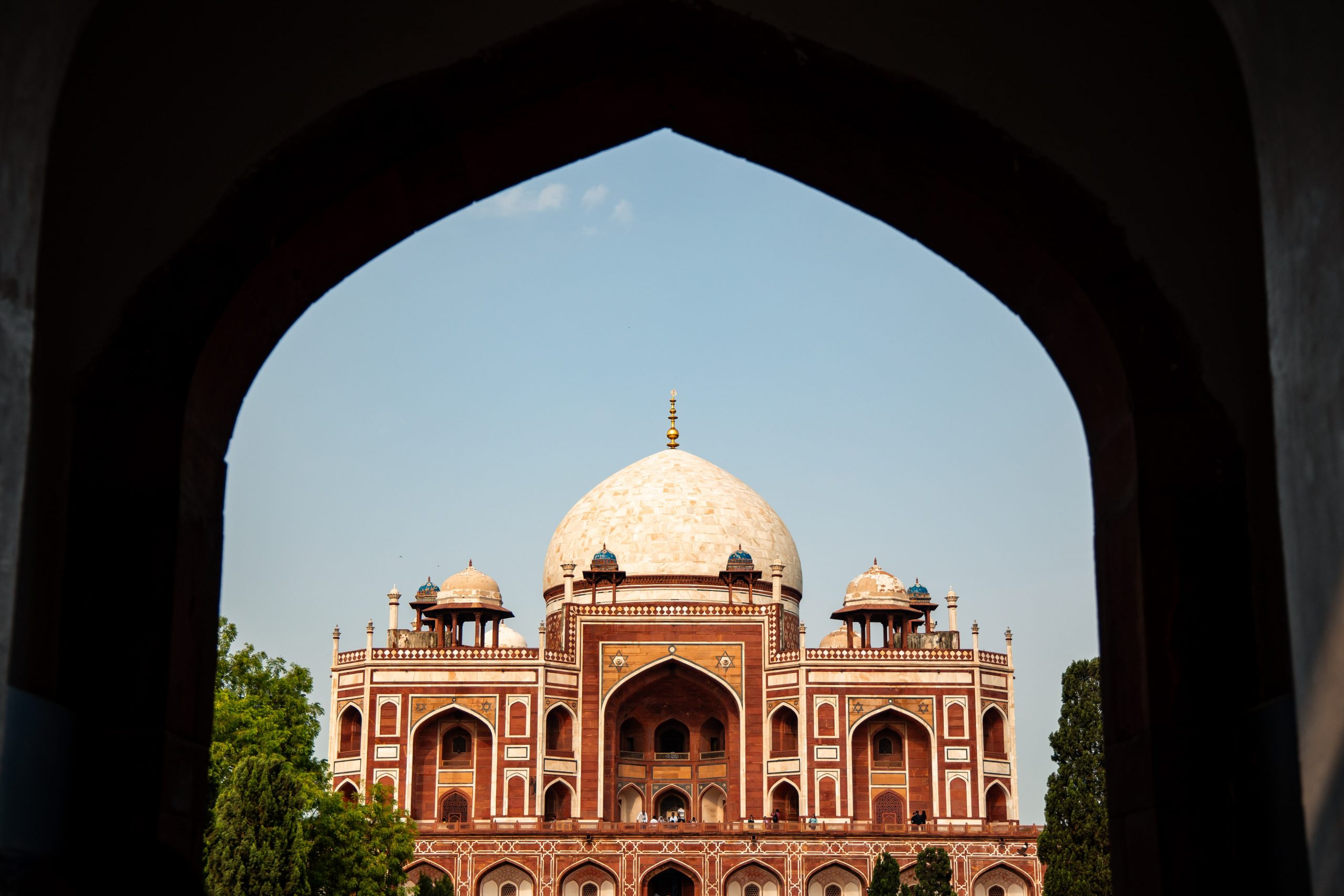
Like most treasures dotting the Indian landscape, Humayun’s Tomb in Delhi is not merely a monument, it serves as a gateway to India’s deep-rooted Mughal past. This grand structure is often deemed to be the precursor and inspiration of the Taj Mahal, serving not only as a tomb but also as a celebration of Indian and Persian artistry blended together, showcasing India’s rich artistry. Be it tourists or locals residing in the capital, each and every one of them can enjoy the blend of history and tranquility alongside architectural beauty that Humayun’s Tomb Delhi offers.
Stunning Heritage: Humayun TombOverview
Situated in Nizamuddin East, this UNESCO World Heritage Site was built in 1569 by Empress Bega Begum in honor of her husband, Emperor Humayun. Persian architects Mirak Mirza Ghiyas and Sayyid Muhammad designed the tomb further carving the heritage of garden tombs in India with their remarkable work. It features a red sandstone structure with a central white dome. It is surrounded by Char Bagh gardens which adds to the delighting peace and grandeur it offers.
Humayun Tomb Timing: When to Visit
They often seek for Humayun Tomb timing to make the most out of their trip. The monument remains open throughout the week, with the Humayun Tomb opening time being 6:00 AM. Early opening is very useful for guests who want to experience the soft morning breeze coupled with the golden light shining on the red sandstone structure.
- Opening Time: 6:00 AM
- Humayun Tomb closing time: 6:00 PM. (standard hours)
- Special evening entry till 9:00 PM available on some days with separate tickets.
For photographers and early-emerging individuals, mornings are the best time to visit whereas evenings provide a tranquil experience with fewer crowds, soft lighting, and cool temperatures.
Getting There: Location and Accessibility
Humayun’s Tomb Delhi can be found on Mathura Road directly opposite to the famous Dargah of Hazrat Nizamuddin Auliya. It is well connected by road and metro.
- Nearest Metro Station: Jawaharlal Nehru Stadium (Violet Line) about 1.6 kilometer distant.
- Nearby Attractions: Nizamuddin Dargah, India Gate, Lodhi Gardens.
You have the option of taking an auto, taxi, or walking from the metro station. HOHO (Hop-On Hop-Off) buses also have this location as part of their regular sightseeing routes.
Entry Fees and Tickets: Find Out What Is Scheduled
Two of the most popularly inquired about pieces of information include Humayun Tomb ticket and Humayun Tomb entry fee. The fees are straightforward and reasonable considering the historical value of the monument.
Humayun Tomb ticket price:
- Indian Citizens: ₹35 per person
- Foreign Nationals: ₹550 (online) or ₹600 (at the gate)
- Children Below 15 Years: Free
- Video Camera Charges: ₹25 per person (if applicable)
Tickets can be purchased through major tourism platforms or at the entry to the monument. To avoid long queues especially during peak visiting days, online booking is strongly suggested.
What to See Inside: The Exploring the Tomb Complex
In addition to Emperor Humayun’s primary tomb, the complex houses numerous other historical buildings:
- Tomb of Isa Khan: A pre-Mughal tomb built in 1547.
- Arab Serai: A rest house built for Persian craftsmen.
- Afsarwala Tomb and Mosque: Constructed in the late 16th century.
- Bu Halima’s garden and Nila Gumbad are of equal importance too.
The design of the garden follows the Persian Char Bagh style, where the garden is divided into four smaller sections with pathways or flowing water forming a quadrilateral structure.
Tips for Visitors
- Early Start: You can enjoy the breathtaking views of the tomb at sunrise.
- Comfortable Clothes: Choose to dress in light comfortable clothes and shoes.
- Stay Hydrated: Carry water especially during the hot months in Delhi, that is, April to June.
- Avoid Mondays: These hot days, along with holidays, tend to be more crowded.
- Keep the Peace: Remember, this is a tomb and part of India’s heritage, so please keep the sanctity.
Best Time to Visit
Due to the extreme weather in Delhi, summer’s heat and winter’s chill, the best time to visit Humayun’s Tomb is during the months of October to March. During these months, mornings are pleasant.
Stay clear of the summer afternoons, as they tend to be scorching hot. Monsoon days offer dramatic visuals, however, access to the gardens might be limited due to puddles or mud.
Evening Visits: Alternate Approach
The new special evening hours, ending at 9 PM, are reserved for tourists to experience the site differently. The illuminating of the monument adds an ethereal touch to the visit. As compared to other times, these hours are less congested and perfect for deep contemplation or romantic walks.
Remember that evening visits may come with additional fees or specific ticketing, so be sure to prepare in advance.
Nearby Dining and Shopping Venues
Having delved deep into the culture, one may want to savor a local bite. Thankfully, food joints are located some steps away from Humayun’s Tomb:
- Khan Market: 10 minute drive, perfect for high end dining.
- Sunder Nursery Café: Located nearby, good for quick snacks.
- Hazrat Nizamuddin Basti: For classic Mughlai fast food.
If you are fond of urban art and murals, there is also the Lodhi Art District that you can explore.
Summary: Key Features Briefly
| Feature | Detail |
|---|---|
| Humayun Tomb opening time | 6:00 AM |
| Humayun Tomb closing time | 6:00 PM (general), 9:00 PM (select days) |
| Humayun Tomb entry fee | ₹35 (Indians), ₹550–600 (foreigners) |
| Humayun Tomb ticket | Available online or at gate |
| Children under 15 | Free entry |
| Location | Mathura Road, Nizamuddin East, Delhi |
| Nearest Metro | JLN Stadium (Violet Line) |
Noteworthy Features of the Tomb’s Architecture
The architecture of Humayun’s Tomb forms part of the earlier Mughal design that was refined in the construction of the Taj Mahal. It includes several remarkable elements as listed below:
- Jali (lattice) windows
- Double dome structure – Mughal innovation
- Symmetric layout
- Pietra Dura inlay work
Humayun’s Tomb sits elevated on a high plinth and is approached by steep stairs enhancing the royal appearance.
Conservation and Restoration
Working with The Archaeological Survey of India (ASI), the site has been undergoing restoration for many years now. It has successfully retained its glory through international collaboration and conservation bodies. Mughal era gardening with restored water channels and fountains is currently under renovation.
Why You Should Visit
Humanyun Tomb Delhi is, literally, an escape from the bustling life of Delhi. It’s an oasis of calm within the chaotic metropolis. The gardens framed with Mughal design, along with the soothing atmosphere, make it an ideal place to visit.
The tomb is a must-visit for:
- History and archaeology enthusiasts
- Architecture students
- Photography lovers
- Educational family outings
- Those in search of a calm walk away from the busy city
Also Read: 10 Historical Monuments in Delhi You Just Cannot Miss
Final Thoughts
Humayun’s Tomb Delhi is as memorable as it is intricate, and whether it’s your first visit or you’re returning to delve deeper, there’s always something new to discover. The monument showcases the enduring love and vision of the early Mughal empire, along with appreciating timeless architecture that stands tall carrying their legacy.
Whenever you are in the capital, do not miss out on visiting this wonder of the world. Ensure to check the Humayun Tomb timing so you can go through all the sections of this tomb. Always make sure to buy the Humayun Tomb ticket beforehand so that it’s one less thing to worry about when planning your trip.
