

Table of Contents
- Summary
- Key Takeaways
- Introduction
- About Akbar Tomb Agra
- History of Akbar’s Tomb
- Why Is Akbar’s Tomb Famous?
- Akbar Tomb Opening Time
- Akbar Tomb Timing
- Akbar’s Tomb Tickets
- Taj Mahal to Akbar Tomb Distance
- How to Reach Akbar’s Tomb
- Best Time to Visit Akbar Tomb Agra
- Things to Do at Akbar’s Tomb
- Nearby Attractions
- Conclusion
- References
- FAQs
Summary
Akbar Tomb Agra, situated in Sikandra at the outskirts of the city of Agra, is an excellent specimen of Mughal architecture, and a historic historical monument of India. The tomb, which honours the memory of Emperor Akbar, was constructed according to his vision of religious harmony as a special combination of Hindu, Islamic, Persian and Jain styles. You don’t need to visit the Taj Mahal then drive in Agra knowing what to do or where to go, as this guide has it all: Akbar Tomb timing, Akbar Tomb opening time, Akbar Tomb tickets and even the Taj Mahal to Akbar tomb distance.
Key Takeaways
- Akbar Tomb Agra is located in Sikandra, around 10–12 km from the Taj Mahal.
- The monument is renowned for its stunning Mughal architecture and beautifully landscaped gardens.
- Visitors can explore the tomb, gardens, gateways, and surrounding wildlife.
- Knowing the Akbar Tomb timing and ticket details helps in planning a smooth visit.
- The monument can easily be combined with other famous Agra attractions in a day trip.
- Winter months offer the best weather for sightseeing.
Introduction
When travellers consider Agra, the first thing that comes into mind is the Taj Mahal. But, even in this world-famous monument, there is one more architectural masterpiece that deserves admiration: Akbar Tomb Agra. Located in tranquil gardens in Sikandra, the mausoleum of the emperor Akbar not only served as an excellent piece of Mughal culture, but also represented the liberal ideas of the emperor and his values towards cultures.
Akbar Tomb offers a peaceful, less-frequented observation tour compared to the busy lives of the people at the Taj Mahal. The vast gardens and the finely adorned gateways and carvings enable the visitors to enjoy the splendid architecture of the Mughals, at a slow rhythmic pace. Being a history lover, an architecture admirer or a family tourist, the monument must be a part of any itinerary of Agra.
About Akbar Tomb Agra
Akbar Tomb Agra is the final resting place of Emperor Akbar, one of the greatest rulers of the Mughal Empire. The monument is situated in Sikandra, approximately 10 kilometres northwest of central Agra.
Construction of the tomb was initiated by Akbar himself during his lifetime and was later completed by his son, Emperor Jahangir, in the early 17th century. Spread across nearly 119 acres, the complex features beautifully landscaped Mughal gardens, elegant walkways, and impressive sandstone gateways decorated with intricate marble inlay work.
Today, the monument is protected by the Archaeological Survey of India (ASI) and remains one of Agra’s most significant heritage attractions.
History of Akbar’s Tomb
The story of Akbar Tomb Agra reflects the emperor’s vision of unity, tolerance, and innovation. Built as his final resting place, the monument beautifully combines Hindu, Islamic, Persian, and Central Asian architectural styles, symbolising Akbar’s inclusive approach to governance and his lasting influence on India’s cultural and historical heritage.
Built by Emperor Akbar
Unlike many rulers who had their mausoleums constructed after their death, Akbar personally selected the site and began planning his tomb years before his passing. This reflected his interest in architecture and long-term legacy.
Completed During Jahangir’s Reign
Following Akbar’s death in 1605, his son Jahangir completed the monument while preserving his father’s original vision. The finished structure became one of the finest examples of Mughal funerary architecture.
Symbol of Religious Harmony
The design incorporates influences from Islamic, Hindu, Buddhist, and Jain architectural traditions. This unique combination mirrors Akbar’s policy of religious tolerance and his efforts to promote cultural harmony across the empire.
UNESCO Buffer Zone Importance
Although Akbar Tomb Agra itself is not a UNESCO World Heritage Site, it forms an important part of Agra’s rich Mughal heritage landscape and complements nearby UNESCO-recognised monuments such as the Taj Mahal and Agra Fort.
Why Is Akbar’s Tomb Famous?
The monument attracts visitors not only for its historical significance but also for its artistic and architectural beauty. Its intricate marble inlay work, impressive sandstone gateway, beautifully landscaped gardens, and harmonious blend of Mughal, Persian, and Indian design elements make it one of Agra’s most remarkable heritage sites.
Magnificent Mughal Architecture
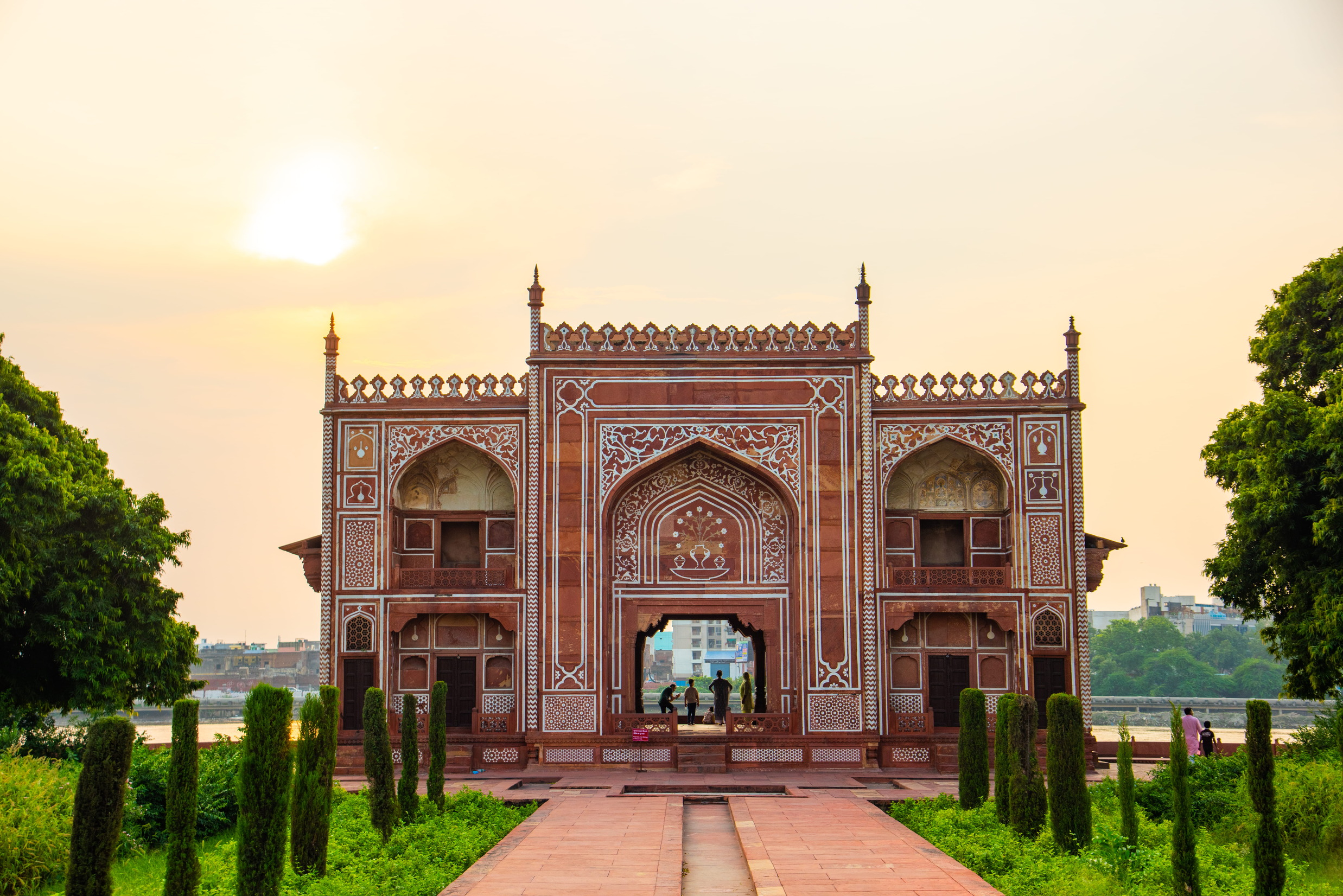
The tomb showcases an elegant fusion of red sandstone and white marble, adorned with intricate geometric patterns, floral carvings, and decorative calligraphy that highlight Mughal craftsmanship.
Beautiful Charbagh Gardens
The surrounding Persian-style Charbagh gardens feature tree-lined pathways, lush greenery, fountains, and peaceful open spaces that create a serene environment for visitors.
Impressive Main Gateway
One of the most striking features is the grand southern entrance, decorated with colourful marble inlay work and four towering white marble minarets that resemble those later seen at the Taj Mahal.
Wildlife Within the Complex
The gardens are home to deer, peacocks, monkeys, and numerous bird species, making the monument a pleasant destination for families and wildlife enthusiasts.
Akbar Tomb Opening Time
Planning your visit according to the Akbar Tomb opening time ensures you have enough time to explore the monument comfortably. Arriving early allows you to admire the intricate Mughal architecture, stroll through the beautifully landscaped gardens, capture photographs in pleasant lighting, and experience the peaceful ambience without the larger crowds that gather later in the day.
| Information | Details |
|---|---|
| Opening Time | 6:00 AM |
| Closing Time | 6:00 PM |
| Open Days | Monday to Sunday |
| Recommended Visit Duration | 1.5–2 Hours |
Akbar Tomb Timing
The official Akbar Tomb timing allows visitors to explore the gardens and mausoleum during daylight hours. This gives ample time to admire the intricate Mughal architecture, walk through the serene Charbagh gardens, appreciate the detailed carvings and decorative elements, and enjoy a relaxed sightseeing experience while learning about Emperor Akbar’s remarkable legacy.
Morning Visit
Early mornings provide cooler temperatures, fewer crowds, and excellent lighting for photography.
Afternoon Visit
Afternoons are suitable for visitors combining Akbar’s Tomb with nearby attractions such as Agra Fort or Sikandra, though summers can be quite warm.
Evening Hours
Visiting during the late afternoon offers pleasant weather and beautiful golden-hour lighting that enhances the monument’s sandstone architecture.
Akbar’s Tomb Tickets
Before visiting, it’s helpful to know the details regarding Akbar’s Tomb tickets. The monument has separate entry fees for Indian and international visitors, while children below the prescribed age may be eligible for free entry as per Archaeological Survey of India (ASI) guidelines.
| Visitor Category | Entry Fee* |
|---|---|
| Indian Citizens | Nominal ASI entry fee |
| Foreign Tourists | Separate ASI ticket |
| Children (as per ASI rules) | Applicable exemptions |
| Photography | Mobile photography generally permitted |
*Ticket prices are determined by the Archaeological Survey of India (ASI) and may be revised periodically.
Taj Mahal to Akbar Tomb Distance
Many travellers visit both monuments on the same day because they are located within convenient driving distance. Combining the two attractions allows visitors to experience the architectural grandeur of the Mughal era, explore beautifully preserved heritage sites, and make the most of their time in Agra without extensive travel between locations.
Distance by Road
The Taj Mahal to Akbar Tomb distance is approximately 10–12 kilometres, depending on the route taken.
Travel Time
The journey usually takes 25–35 minutes by taxi or private vehicle, although travel time may vary depending on traffic conditions.
Best Route
Visitors generally travel via Mahatma Gandhi Road (MG Road) or NH-19, both of which provide convenient access between the two monuments.
Ideal Combined Itinerary
Many travellers begin their day at the Taj Mahal during sunrise before continuing to Akbar Tomb Agra, followed by visits to Agra Fort or Itmad-ud-Daulah later in the day.
How to Reach Akbar’s Tomb
Reaching Akbar Tomb Agra is convenient using multiple modes of transport. Visitors can travel by road, rail, or air, with the monument enjoying good connectivity from Agra’s city centre, railway stations, bus terminals, and the nearest airport. Local taxis, auto-rickshaws, e-rickshaws, and app-based cabs make the final stretch of the journey easy and hassle-free.
By Road
The monument is well connected by national highways and city roads. Visitors can easily reach Sikandra by taxi, private car, or tourist coach from anywhere in Agra.
By Train
Agra Cantt Railway Station is approximately 12 kilometres away, while Sikandra Railway Station is even closer. Auto-rickshaws, taxis, and app-based cab services are readily available from both stations.
By Air
The nearest major airport is Agra Airport, while many domestic and international travellers also arrive via Delhi and continue to Agra using the Yamuna Expressway.
Local Transport
Auto-rickshaws, e-rickshaws, cycle rickshaws, and app-based taxis provide affordable and convenient transport for visitors exploring Agra’s heritage circuit.
Best Time to Visit Akbar Tomb Agra
Although Akbar Tomb Agra remains open throughout the year, choosing the right season and time of day can greatly enhance your sightseeing experience.
October to March
Winter is the most pleasant season to explore the monument. Comfortable temperatures make it easy to walk through the sprawling gardens and admire the intricate Mughal architecture without the discomfort of extreme heat.
Early Morning
Visiting soon after the Akbar Tomb opening time allows you to enjoy the peaceful surroundings before larger tourist groups arrive. Morning light also provides ideal conditions for photography.
Late Afternoon
The soft golden light during the evening beautifully highlights the red sandstone and marble decorations of the tomb. It is an excellent time for leisurely walks and capturing scenic photographs.
Avoid Peak Summer Afternoons
Agra experiences high temperatures between April and June. If visiting during summer, schedule your trip in the morning or late afternoon to avoid the intense midday heat.
Things to Do at Akbar’s Tomb
A visit to Akbar Tomb Agra offers much more than viewing a historic mausoleum. The monument combines history, architecture, nature, and photography opportunities.
Explore the Mausoleum
Walk through the magnificent entrance gateway and admire the impressive five-tiered structure that houses Emperor Akbar’s symbolic cenotaph. The blend of Persian and Indian architectural styles makes every section worth exploring.
Stroll Through the Mughal Gardens
The beautifully maintained Charbagh gardens surrounding the tomb provide a peaceful environment for walking, relaxing, and appreciating traditional Mughal landscape design.
Admire the Intricate Artwork
Look closely at the marble inlay work, geometric carvings, floral motifs, and decorative calligraphy that showcase the remarkable craftsmanship of Mughal artisans.
Spot Wildlife
The monument complex is home to deer, peacocks, monkeys, squirrels, and various bird species, making it an enjoyable destination for families and wildlife enthusiasts.
Capture Stunning Photographs
The symmetrical architecture, landscaped gardens, and grand gateways provide countless photography opportunities throughout the monument.
Nearby Attractions
One of the advantages of visiting Akbar Tomb Agra is its proximity to several iconic attractions. Travellers can easily include destinations such as the Taj Mahal, Agra Fort, Itmad-ud-Daulah’s Tomb, and Mehtab Bagh in the same itinerary, making it convenient to explore the city’s rich Mughal heritage and maximise their sightseeing experience in a single day.
Taj Mahal
Located around 10–12 kilometres away, the Taj Mahal remains Agra’s most famous landmark. Many visitors include both monuments in the same sightseeing itinerary.
Agra Fort
This UNESCO World Heritage Site offers a fascinating glimpse into Mughal history through its grand palaces, audience halls, courtyards, and defensive walls.
Itmad-ud-Daulah’s Tomb
Often referred to as the “Baby Taj,” this elegant marble mausoleum is known for its delicate inlay work and is considered a precursor to the Taj Mahal.
Mehtab Bagh
Situated across the Yamuna River, Mehtab Bagh offers spectacular panoramic views of the Taj Mahal, particularly during sunset.
Sikandra Market
Located near the monument, the local market is ideal for shopping for marble handicrafts, leather goods, souvenirs, and traditional Agra sweets.
Read Also – How to Spend Three Days in Agra and See the Taj Mahal?
Conclusion
A visit to Akbar Tomb Agra offers an enriching journey through the legacy of one of India’s greatest emperors. From its magnificent Mughal architecture and tranquil gardens to its historical significance, the monument provides a peaceful alternative to Agra’s busier attractions. Knowing the Akbar Tomb timing, Akbar Tomb opening time, Akbar’s Tomb tickets, and the Taj Mahal to Akbar Tomb distance helps visitors plan a seamless and rewarding experience.
To make your Agra trip even more memorable, consider staying at one of the 5 star hotels in Agra that offer luxurious accommodations with easy access to the city’s iconic monuments. Jaypee Palace Hotel & Convention Centre, Agra, combines elegant hospitality with convenient connectivity, making it an excellent base for exploring the city’s rich Mughal heritage.
References
- Archaeological Survey of India (ASI): Official information on Akbar’s Tomb, protected monuments, entry regulations, ticket details, and visitor guidelines.
- UNESCO World Heritage Centre: Information on Agra’s Mughal heritage landscape, including the Taj Mahal and Agra Fort, which complement a visit to Akbar’s Tomb.
- Uttar Pradesh Tourism: Official travel information on Agra, Sikandra, major attractions, and tourist facilities.
- Ministry of Tourism, Government of India: Resources on India’s heritage tourism, Mughal architecture, and cultural destinations.
- Incredible India (Ministry of Tourism): Official destination guides, travel tips, and information on Agra’s historical monuments and nearby attractions.
